

International Women's Day
Celebrating women at BU and shining a spotlight on Ada Lovelace, often called the first computer programmer

International Women's Day
International Women's Day (IWD) is a global awareness day celebrating the social, economic, cultural and political achievements of women. The day also serves as a call to action for accelerating gender equality. International Women's Day, held every year on 8 March, is all about unity, celebration, reflection, advocacy and action. It is also known as the United Nations (UN) Day for Women’s Rights and International Peace.
"The story of women's struggle for equality belongs to no single feminist nor to any one organisation but to the collective efforts of all who care about human rights."

International Women’s Day is an opportunity to reflect on progress made, to call for change and to celebrate acts of courage and determination by ordinary women who have played an extraordinary role in the history of their countries and communities.
The official theme for IWD 2019 was #BalanceforBetter - better the balance, better the world. The #BalanceforBetter campaign highlights the need for a more gender balanced society across the world and the benefits that this brings. Gender equality is important to the community and the world. Let’s help build a better balance for a better world. Happy International Women’s Day!




The history of International Women's Day
1909 - The Socialist Party of American organised a Women's Day on 28 February.
1910 - The International Socialist Women's Conference in Copenhagen established an International Women's Day.
1911 - As a result of the Copenhagen initiative, International Women's Day was marked for the first time (on 19 March) in Austria, Denmark, Germany and Switzerland as part of the campaign for suffrage for women.
1914 - International Women's Day was held on 8 March in Germany, possibly because that day was a Sunday, and now it is always held on March 8 in all countries.
1917 - After women gained suffrage in Soviet Russia, 8 March became a national holiday there.
1918 - For many years following 1917, International Women's Day was celebrated predominately in communist countries and by the communist movement.
1975 - During International Women's Year, the United Nations began celebrating International Women's Day on 8 March.
2015 - The United Nations adopted the 2030 Agenda for Sustainable Development and its 17 Sustainable Development Goals. Goal 5 is “Achieve gender equality and empower all women and girls.
Ada Lovelace
Setting a precedent for women in science
People often think of Marie Curie, Jane Austen and Florence Nightingale as three inspirational women who left their mark in their respective fields. But in the technology industry, it might be surprising to find out that one of the pioneers of computer coding was a woman.
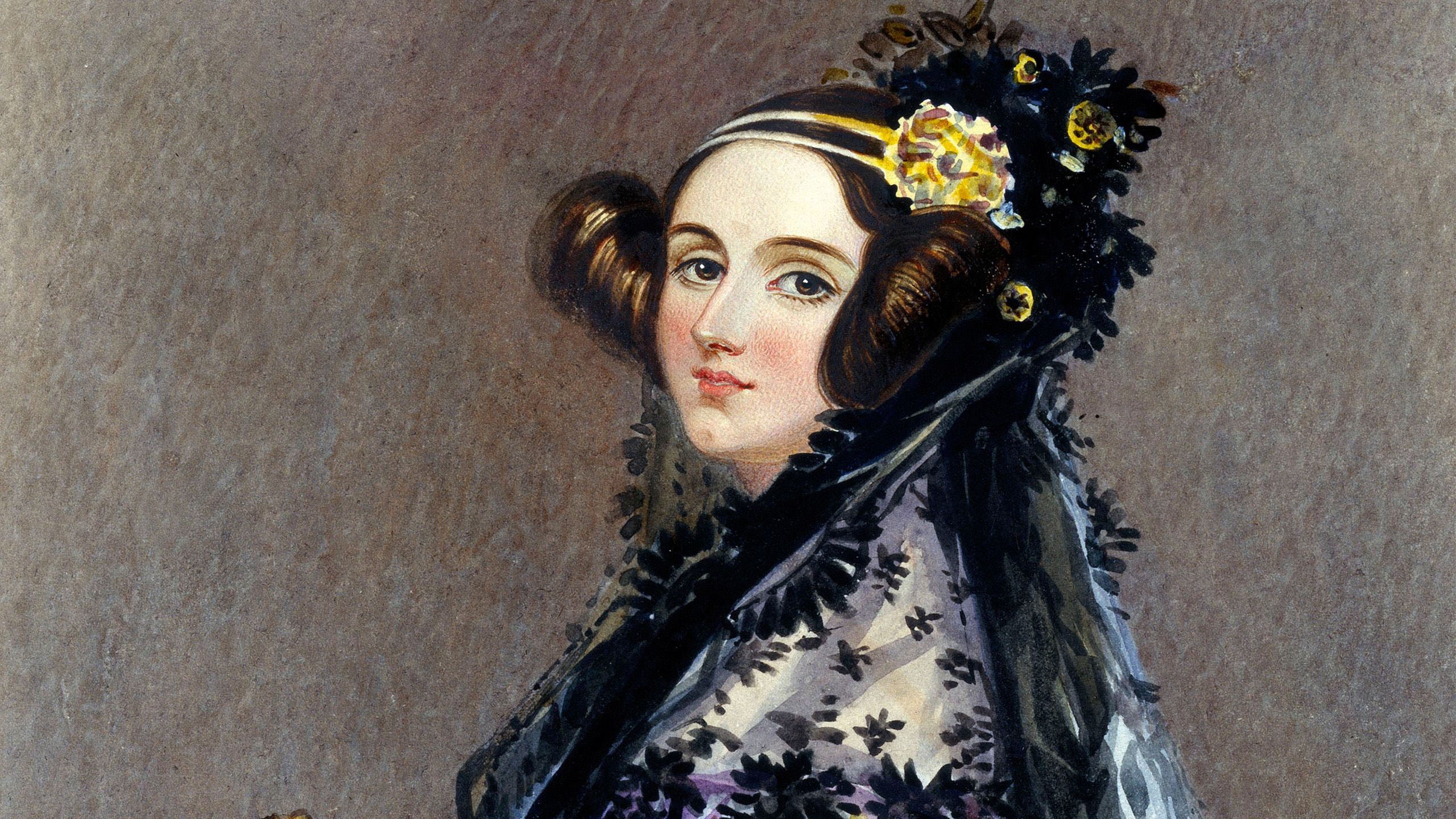
Ada Lovelace was born in 1815 and became widely regarded as the first female computer scientist. Growing up in a time when women were not able to attend university or pursue academic careers, it would seem unlikely that the daughter of the famous poet, Lord Byron, would become a mathematician and programmer.
Her devotion to numbers came from her mentor Charles Babbage, an innovative thinker in maths and computing. She translated Babbage’s article on the analytical engine and also contributed her own ideas which represented a groundbreaking development in the field.
"Coding wasn't valued in Victorian times," said Professor Debbie Holley, Professor of Learning Innovation at Bournemouth University. "It was very poorly paid, there was no prestige to it, there was no credit in it, so even though she was a Countess and a very famous person in society, her actual work at the time was completely uncelebrated."
Lovelace played an important role in conceptualising these machines. She envisioned beyond Babbage’s thoughts, seeing the future potential and uses for computers. However, in a male-dominated world, Lovelace’s work was not recognised until 1950, almost 100 years after her death when Alan Turing, creator of the Enigma machine, picked up on her work and made it a reality.
Today we quite simply cannot live without computers, they are an integral part of our day to day life. Ada Lovelace’s work sets a precedent for women who would like to pursue a career in technology and STEM fields.


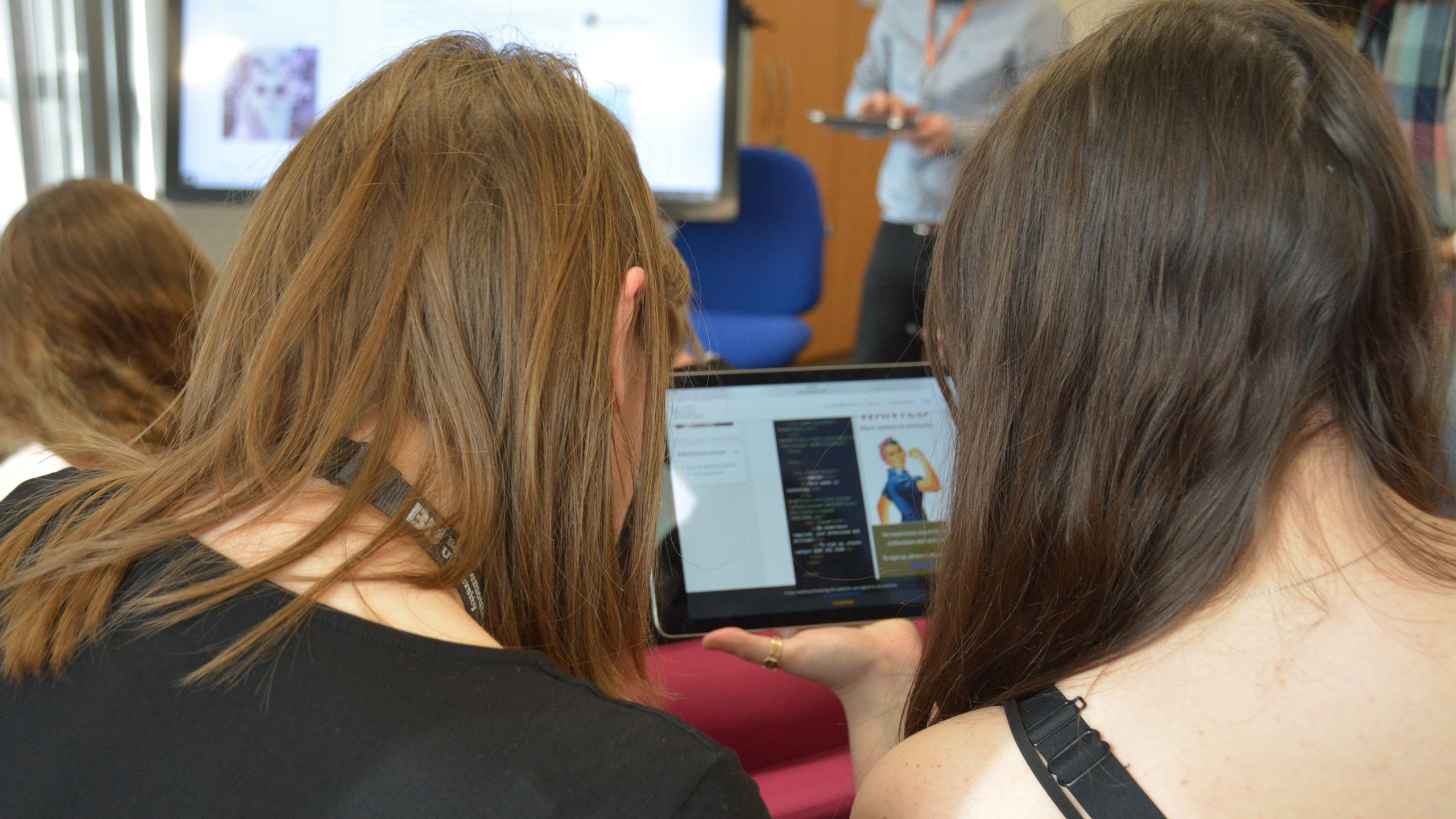
To celebrate International Women's Day 2019, Bournemouth University's Centre for Excellence in Learning (CEL) and the Women's Academic Network (WAN) organised an event to that included a coding workshop and talks on uncelebrated women, including Ada Lovelace.
"The McKinsey report last year showed how much coding is going to be used in the workplace over the next 30 years and how a lot of our everyday tasks are going to be animated and coded – we need to know how to be able to do that," said Professor Holley, one of the organisers of the event.
"So I really think as a university, it’s up to us to be leading on that work. Women are still underrepresented in computer coding and these are where a lot of the fantastic careers are."
Listen to the podcast to hear Professor Debbie Holley talk about Ada Lovelace, the work being done to encourage women in coding, and why International Women's Day is important.
Thanks to the Bournemouth University MA Corporate Communications students who helped to gather and create this content.